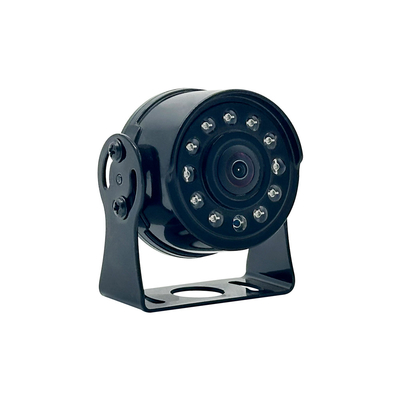
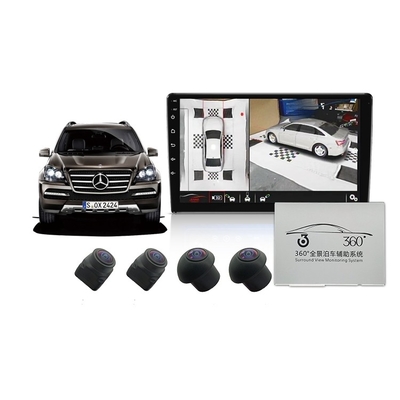
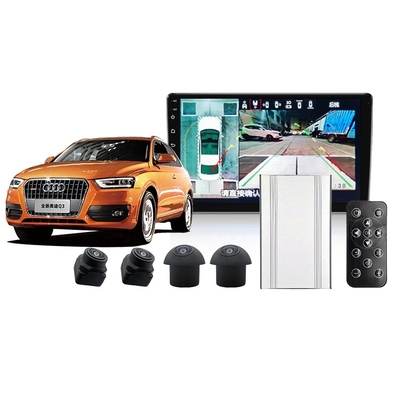
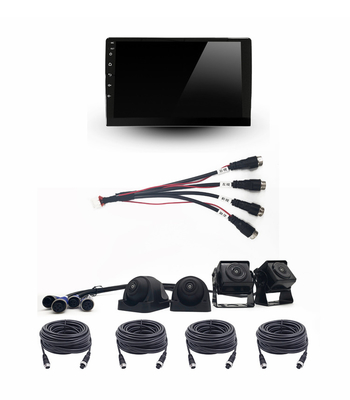
In recent years, 360° vehicle camera systems have become a standard for passenger cars, commercial vehicles, and industrial machinery. These systems provide a complete view around the vehicle, enhancing safety, awareness, and operational efficiency. However, when purchasing a 360° camera system, one of the most crucial decisions is selecting the right video signal type: CVBS (Composite Video Baseband Signal) or AHD (Analog High Definition). Choosing the wrong signal type can affect image quality, night vision performance, compatibility, and overall system reliability. This guide will explain the differences, applications, and key considerations for selecting between CVBS and AHD signals.
Understanding CVBS: The Traditional Analog Standard
What is CVBS?
CVBS is an analog video signal, commonly used in traditional vehicle cameras and older surveillance systems. It transmits standard-definition video over a single coaxial cable, which makes it simple and cost-effective.
Key Characteristics of CVBS
- Resolution: Typically 480TVL to 700TVL (TV lines), which is standard definition.
- Compatibility: Works with older monitors, DVRs, and recording systems.
- Installation: Simple cabling requirements, low sensitivity to minor interference.
Advantages of CVBS
- Cost-effective – CVBS cameras are usually cheaper than AHD systems.
- Stable performance – Analog signals are less susceptible to signal conversion errors.
- Simplicity – Easy to integrate with legacy systems and smaller screens.
Limitations of CVBS
- Lower image clarity – Fine details are not easily captured, affecting object recognition.
- Night vision limitations – Low-light performance is often poor, especially in large vehicles or industrial applications.
- Limited future-proofing – CVBS cannot easily support high-definition upgrades or AI integration.
Understanding AHD: High-Definition Analog Video
What is AHD?
AHD (Analog High Definition) is an analog video technology that allows high-resolution transmission over traditional coaxial cables. It supports 720P, 1080P, and even higher resolutions, bridging the gap between analog and HD digital systems without requiring new cabling.
Key Characteristics of AHD
- Resolution: 720P, 1080P, or higher for crisp, detailed images.
- Compatibility: Requires compatible HD monitors or DVRs.
- Installation: Similar cabling as CVBS but requires better shielding to maintain signal quality.
Advantages of AHD
- High-definition imaging – Clear, detailed images that improve recognition of obstacles, pedestrians, and signage.
- Enhanced night vision – Works better with IR or starlight night vision technologies.
- Future-ready – Supports higher resolutions and AI-based processing for smart detection.
Limitations of AHD
- Higher cost – AHD cameras and compatible equipment are more expensive than CVBS alternatives.
- Installation sensitivity – Requires proper cabling and connectors to prevent interference.
- Compatibility considerations – Older monitors or DVRs may not support AHD without upgrade.
CVBS vs AHD: A Side-by-Side Comparison
| Feature |
CVBS |
AHD |
| Resolution |
480TVL–700TVL (SD) |
720P–1080P or higher (HD) |
| Image Clarity |
Moderate |
High |
| Night Vision |
Basic |
Excellent with IR/Starlight |
| Installation Complexity |
Simple |
Moderate |
| Cost |
Low |
Medium–High |
| Compatibility |
Older monitors/DVRs |
HD monitors/DVRs required |
| Suitable Vehicles |
Passenger cars, economy vehicles |
Passenger cars, commercial fleets, trucks, industrial machinery |
Factors to Consider When Choosing Between CVBS and AHD
1. Vehicle Type and Use Case
- Passenger Cars / SUVs: AHD recommended for better parking assistance, low-light visibility, and clarity.
- Commercial Trucks / Buses: AHD provides high-definition coverage for blind spots, reversing, and night operations.
- Industrial Vehicles / Forklifts: CVBS may be sufficient for basic coverage, but AHD improves safety in dimly lit warehouses or construction sites.
- Old or Economic Vehicles: CVBS offers cost-effective solutions compatible with existing displays.
2. Night Vision and Low-Light Performance
AHD signals paired with high-sensitivity sensors and IR or starlight technology dramatically improve visibility at night or in poorly lit areas. CVBS cameras may struggle to provide reliable night vision.
3. System Compatibility
Before choosing AHD, ensure that your display monitor or DVR supports HD analog input. Using AHD with incompatible devices will result in no display or degraded performance. CVBS is generally more plug-and-play with older systems.
4. Resolution Needs
High-resolution imaging is essential for commercial fleets, trucks, and industrial vehicles, where recognizing obstacles, pedestrians, or small objects is critical. AHD cameras outperform CVBS in capturing these details.
5. Budget Constraints
CVBS systems are ideal when cost is a primary concern or for basic surveillance applications. AHD systems are a better investment for long-term safety, operational efficiency, and upgrade potential.
Industry Trends Favoring AHD Adoption
- High-definition migration – Modern vehicles increasingly require HD video for fleet management, advanced parking, and safety monitoring.
- AI Integration – AHD cameras provide enough pixel density for AI features such as blind spot detection, obstacle recognition, and driver assistance.
- Remote Monitoring and Connectivity – HD video signals enable more effective live streaming and cloud-based monitoring for fleet operations.
- Enhanced Night Vision and HDR – AHD systems are more compatible with advanced night vision technologies, providing clear images in extreme lighting conditions.
Practical Recommendations for Buyers
- Assess the operating environment – For commercial fleets, construction sites, or heavy-duty vehicles, AHD is preferable for clarity and night vision.
- Check display and DVR compatibility – Ensure that your monitors support AHD before upgrading.
- Consider future-proofing – Investing in AHD allows seamless upgrades to AI-powered systems, higher resolutions, and improved night vision.
- Balance cost and performance – CVBS is adequate for basic applications, but AHD ensures a safer and more reliable system overall.
Conclusion
Choosing between CVBS and AHD for a 360° vehicle camera system is more than a technical preference—it is a decision that directly impacts safety, visibility, and operational efficiency. While CVBS remains a reliable, cost-effective solution for basic applications, AHD offers high-definition imaging, superior night vision, and future compatibility with AI and advanced vehicle monitoring systems.


 Ваше сообщение должно содержать от 20 до 3000 символов!